ABOUT FLATLINE PIZZA

WHAT WE MAKE: PIZZA TO DIE FOR
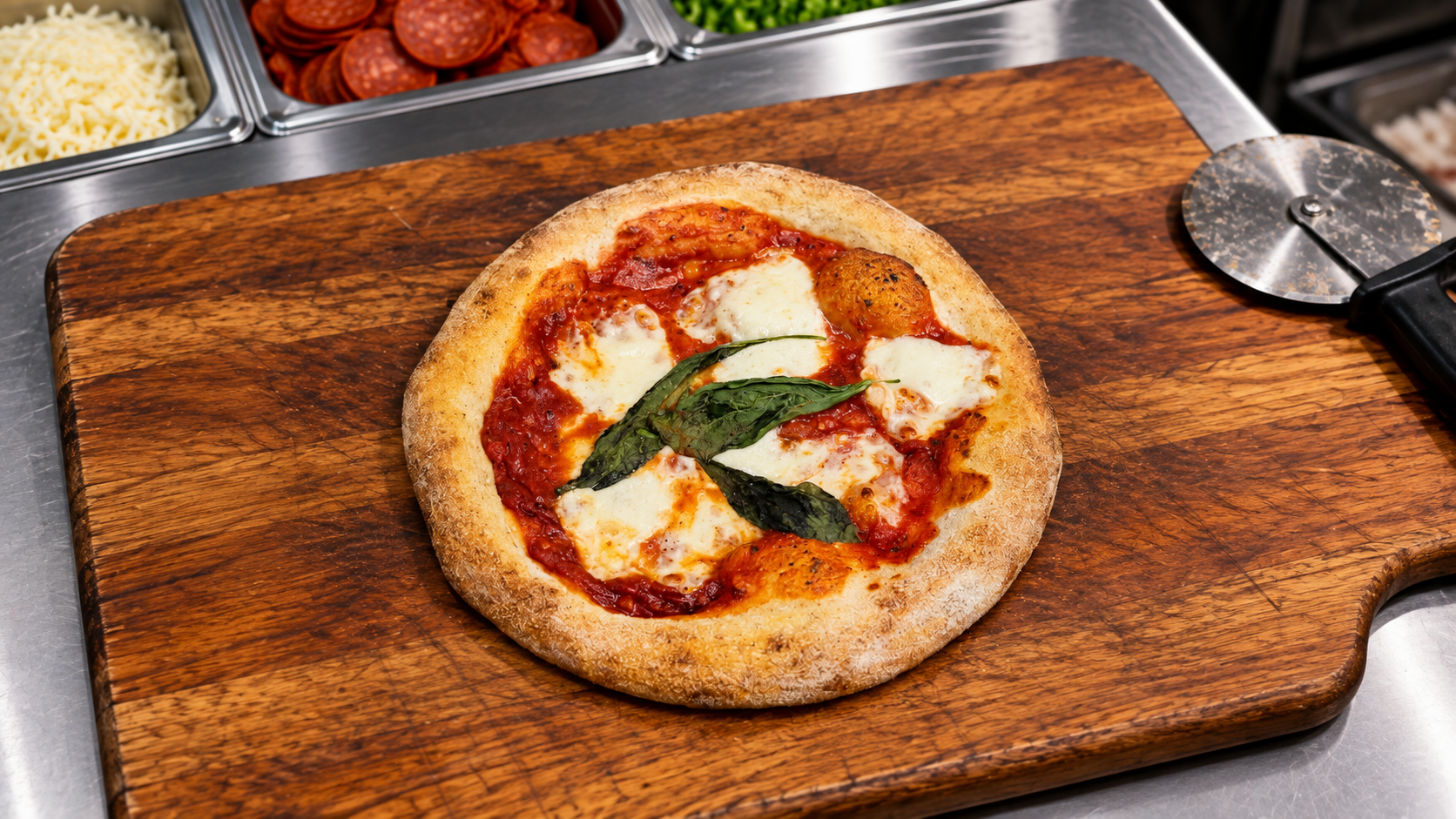
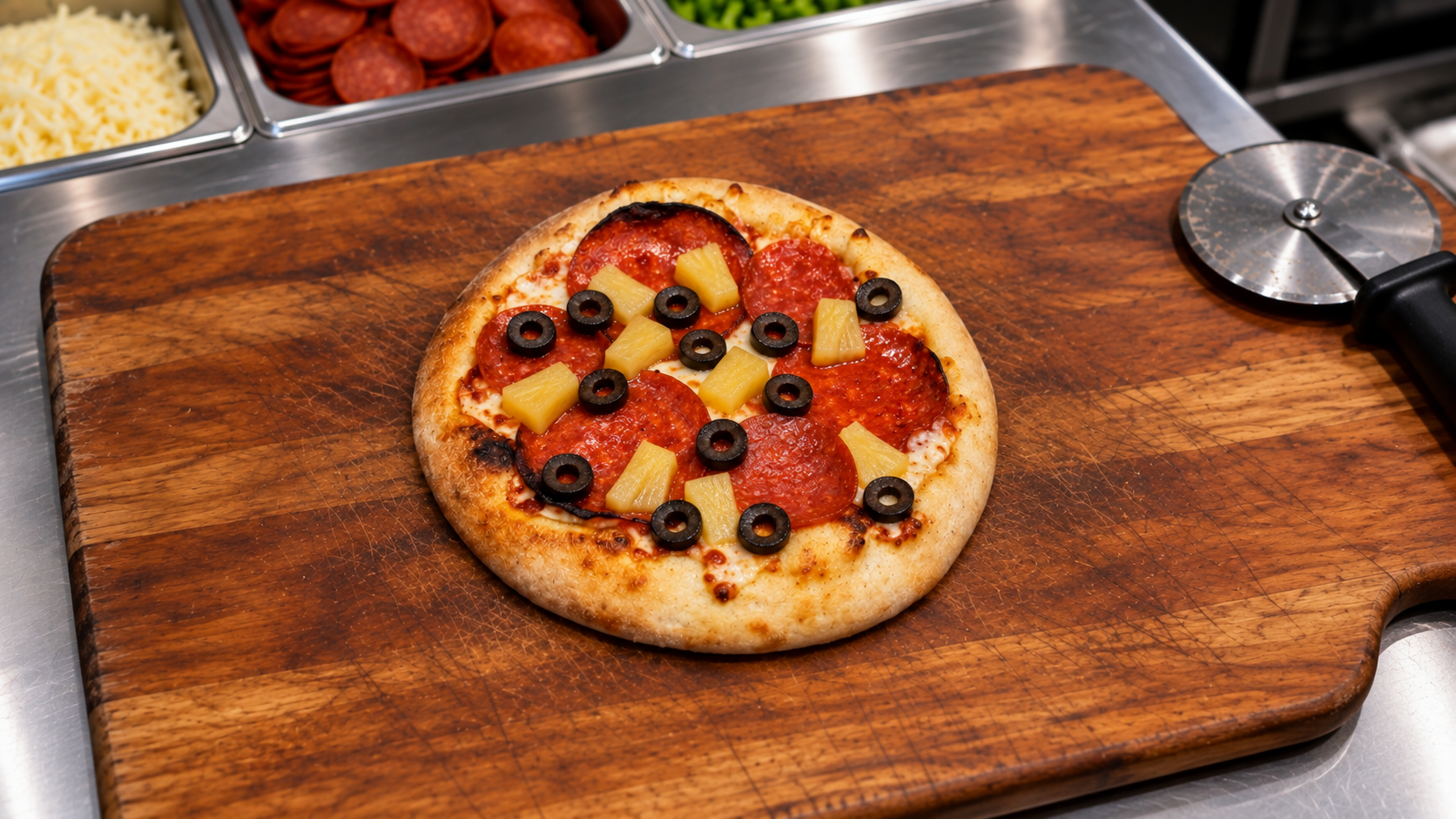
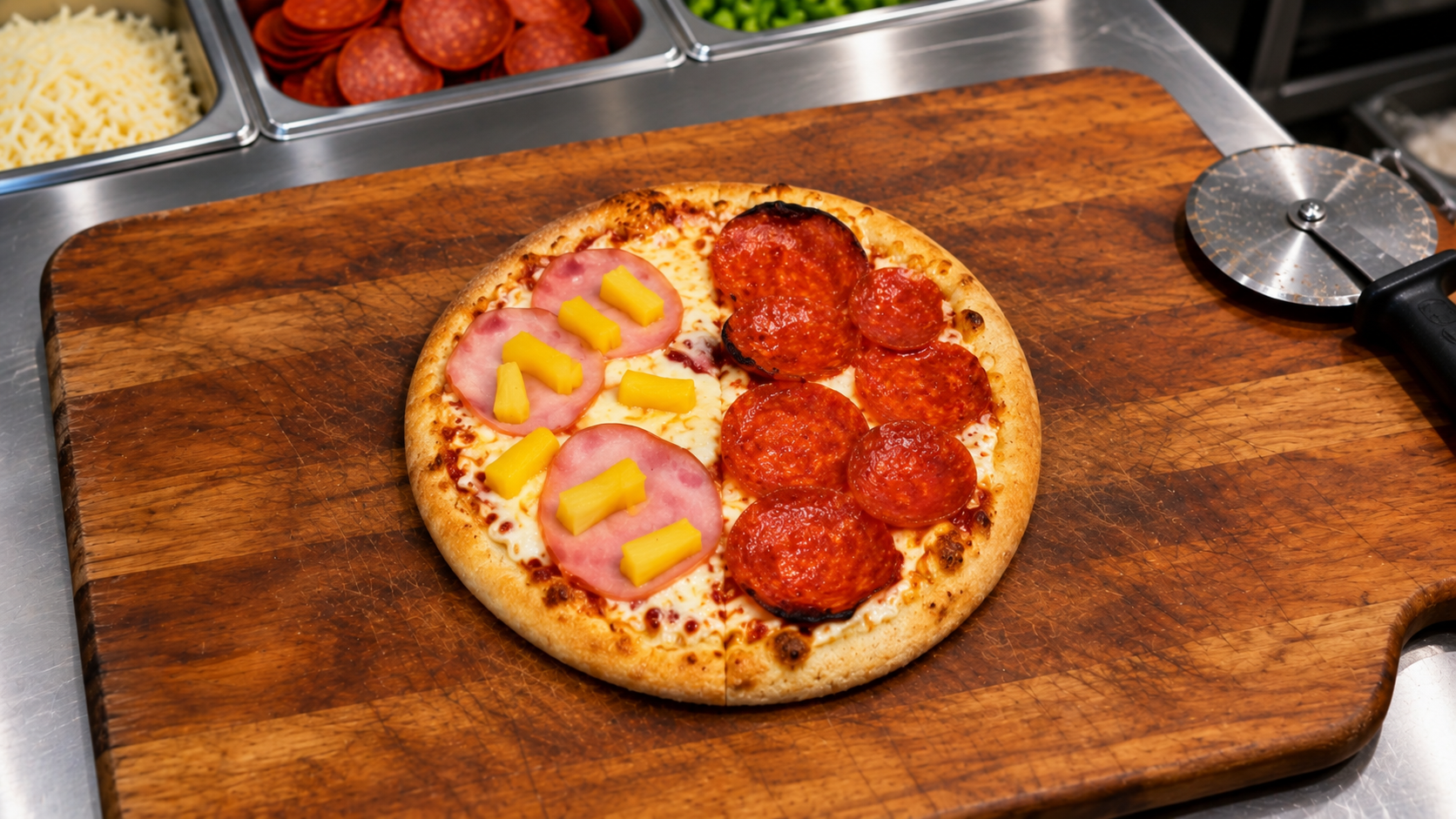
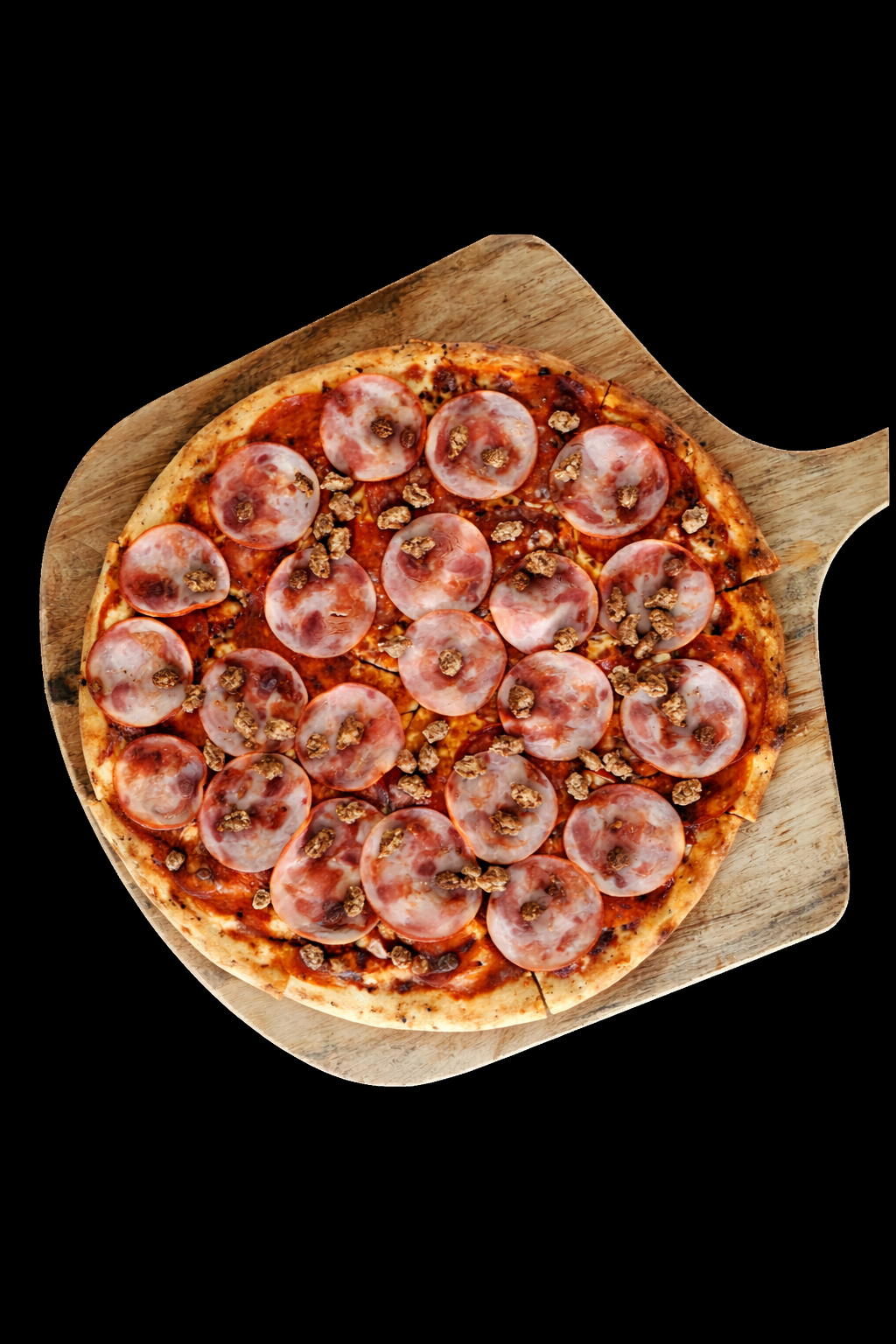
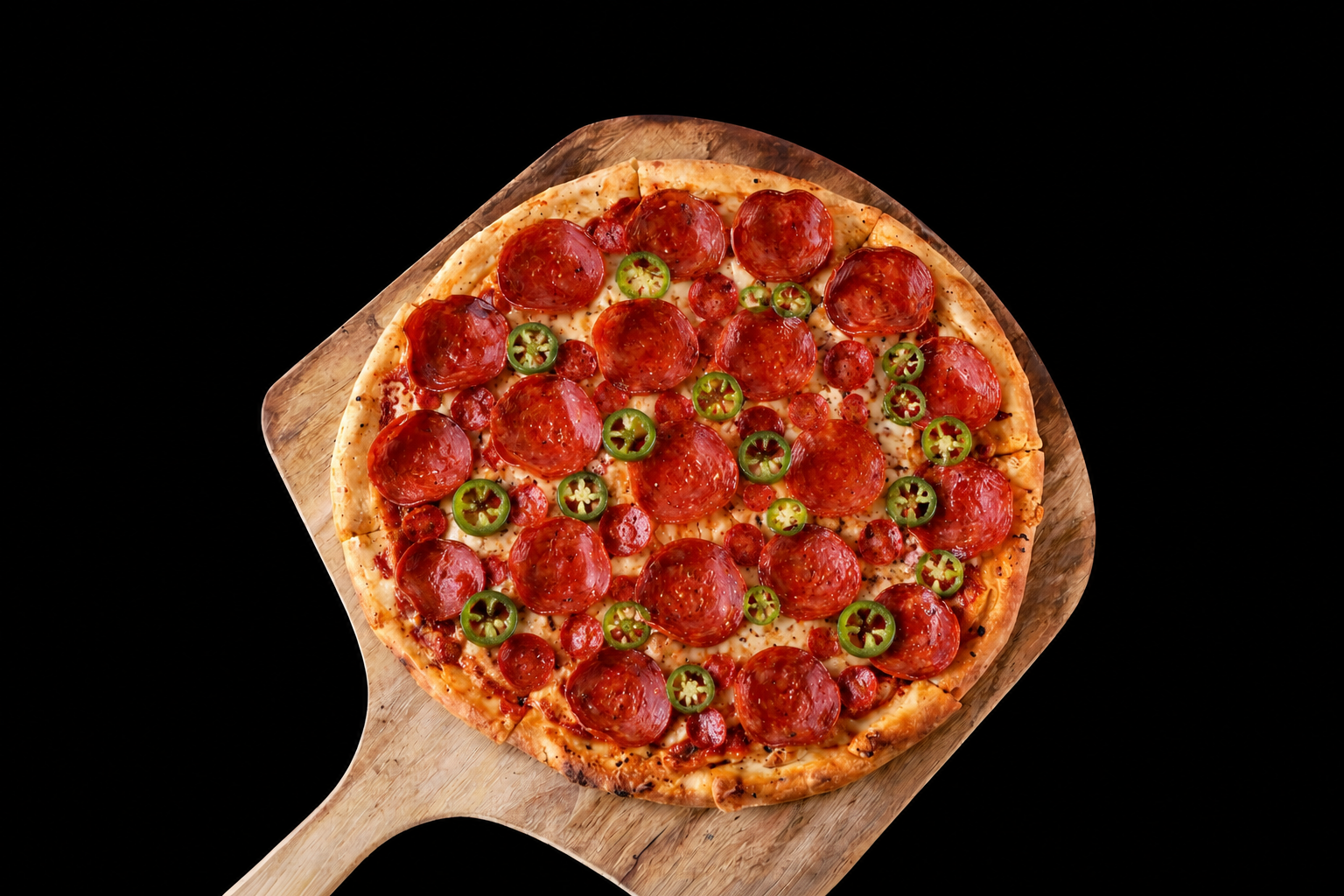
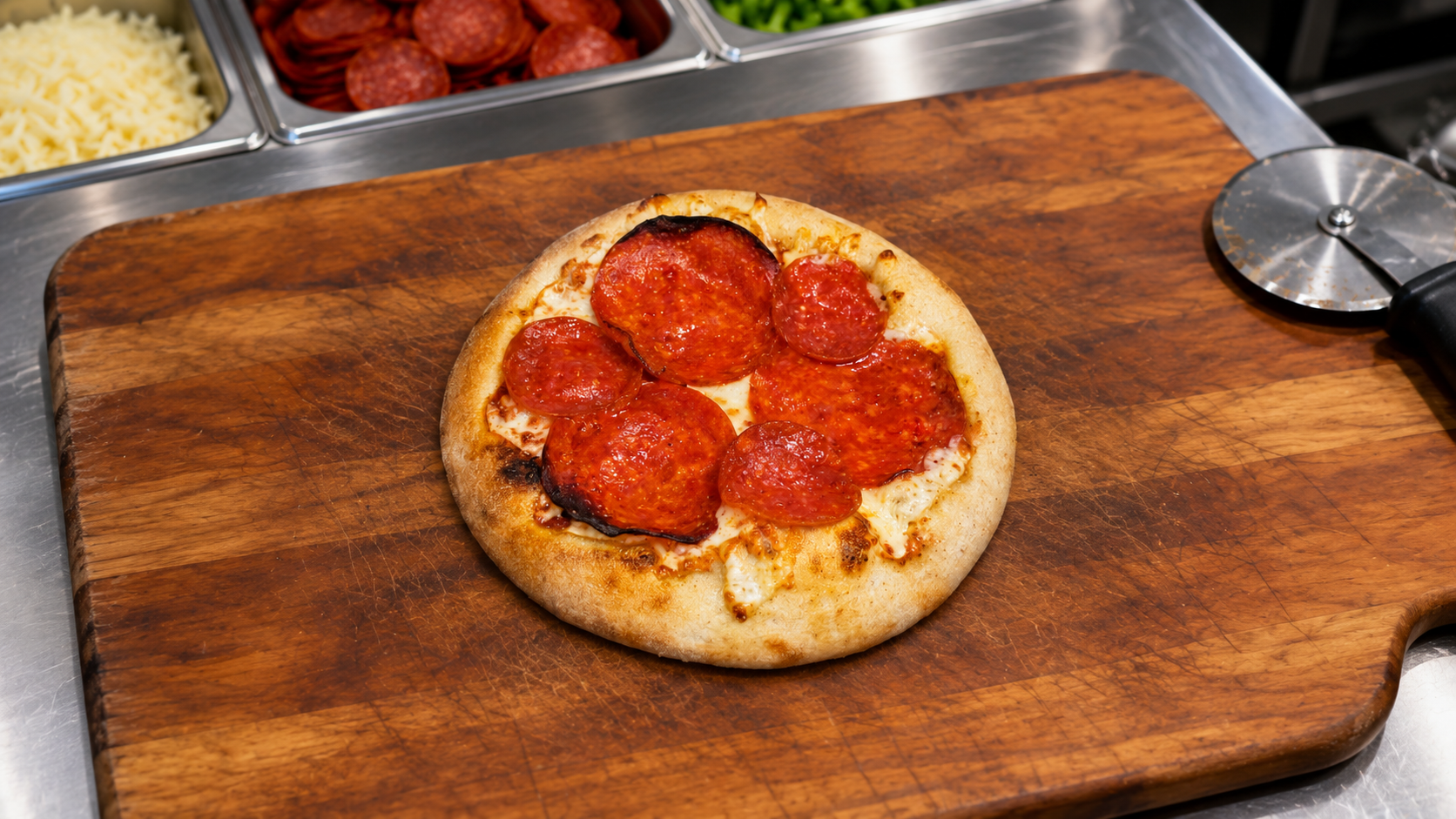
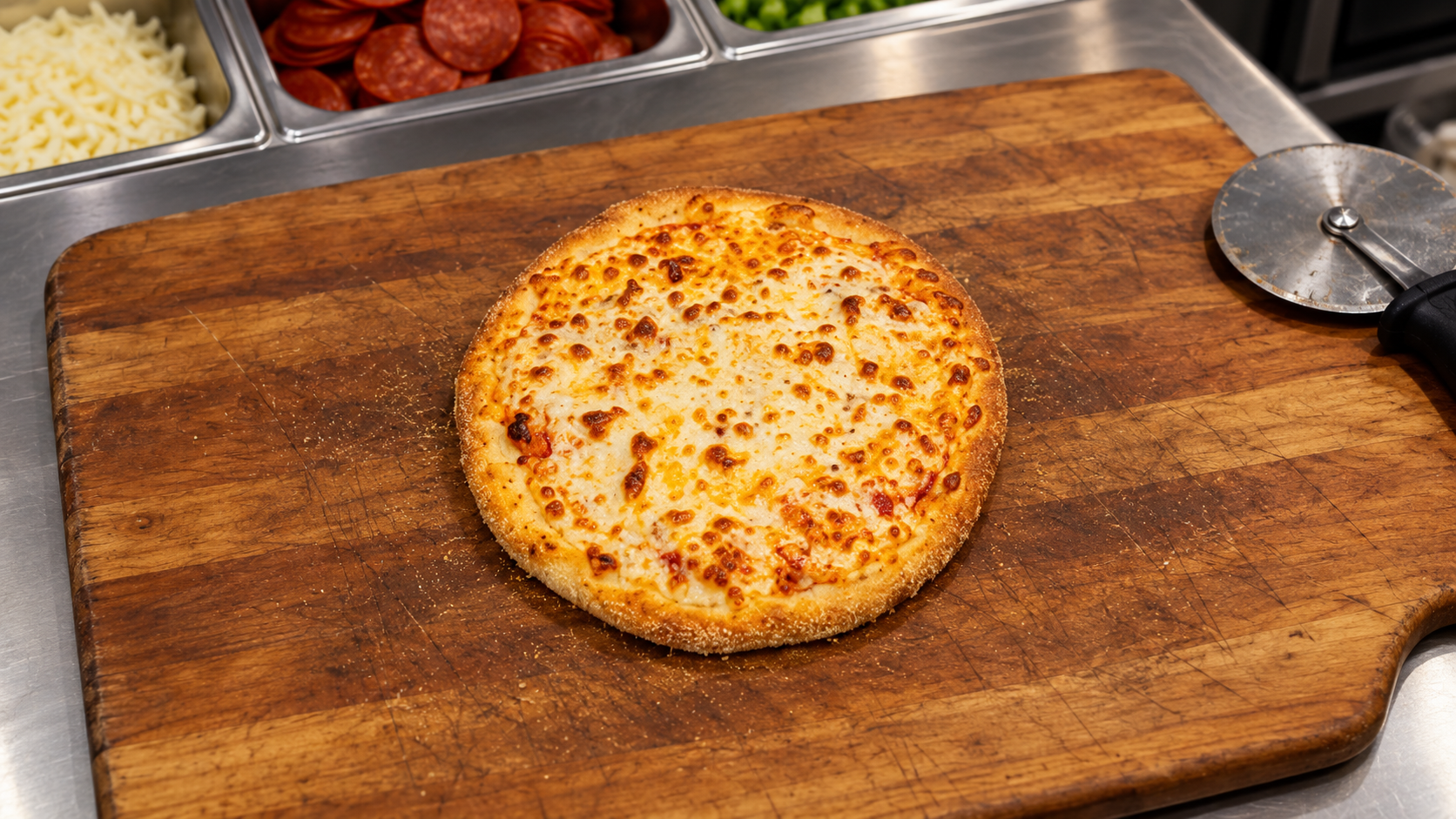
Handmade pizza with fresh, top-tier ingredients — this is what Flatline delivers with pride to its patients. Our made-from-scratch dough has been perfected over the course of years, resulting in a consistently exceptional foundation. Our sauce is made with a flavor profile that sets us apart: a rich, complex tomato base with just the right amount of zest. Every pie is hand-stretched thin, in an 8" Single Dose for one or an 18" Full Course for the table. This isn't your run-of-the-mill pizza. This is Flatline Pizza: It's to die for.
WHO WE ARE: THE COOK BEHIND THE SCRUBS
It started with a vision. After abandoning his dreams of becoming the world’s first gluten-specialized medical slicologist, Alex took to his weekly skydiving session for a breath of fresh air. Whilst plummeting through the atmosphere at a mildly alarming velocity, a mysterious image suddenly flashed before his eyes: A circle made of triangles. A rapturous, red coating. A bubbly white layer of some bewitching, sacred substance. It took him years to decode this vision, until finally one day, he understood. He was to combine his old medical ambitions with something new, something delectable, something that the world needed most of all: Pizza. Really, really good pizza. The Cook Behind the Scrubs strives to serve only the most satiating, postprandially gratifying pizza according to his hallucination-induced destiny.
-
INSPECT EACH PREPARATORY SEQUENCE OUR HYPERSATIATING INGREDIENTS UNDERGO IN ORDER TO ACHIEVE STABLE VITALS, CLINICALLY SIGNIFICANT FLAVOR RESPONSE & MOUTH-WATERING THERAPEUTIC EFFECT.
-
Our dough manufacturing process represents years of clinical trials and countless failed experiments, We kept persevering, and we kept making it better.
Phase 1: Multi-Flour Integration Therapy (MFIT)
We begin with a classified blend of premium flours - the exact combination is proprietary and locked in a secret vault. Each flour contributes specific characteristics:
High-protein flour for gluten structure development
[Additional flour types remain classified due to competitive intelligence concerns]
The flour blend is combined with purified water (H₂O), instant yeast (Saccharomyces cerevisiae), and salt (NaCl), in our medical-grade Hobart 20-quart mixer. This is not your normal KitchenAid mixer. This is industrial pizza science.
Phase 2: Primary Fermentation Protocol (PFP)
Following initial mixing, the dough undergoes First Rising Period at ambient temperature (68-72°F) for 1-2 hours. During this phase, yeast cells consume sugars and release CO₂, creating initial air pocket formation and gluten network development. Biochemistry in action.
Phase 3: Cryogenic Aging Procedure (CAP)
Here's where it gets interesting. The dough is then transferred to temperature-controlled refrigeration units (37-40°F) for 24-48 hours of cold fermentation. This is what we call the Extended Chilling Protocol (ECP).
During this extended refrigeration period, several critical reactions occur:
Enzymatic breakdown of complex starches into simple sugars (increased sweetness)
Continued slow yeast activity (enhanced flavor development)
Gluten strand relaxation and reorganization (improved extensibility)
Reduction of excess CO₂ (prevents over-proofing catastrophe)
The result is dough that's easier to stretch, more flavorful, and has that characteristic sourdough-adjacent tang.
Phase 4: Pre-Bake Conditioning
Dough is removed from refrigeration 1-2 hours before use, allowing it to return to room temperature - what we call Thermal Equilibrium Achievement (TEA). Cold dough is impossible to stretch. We learned this the hard way.
Each dough ball is then hand-stretched using traditional techniques. No rolling pins. No dough presses. Just hands and gravity.
The result: a perfectly circular substrate (okay, sometimes oval, we're not machines) ready for sauce application and subsequent thermal acceleration.
Total preparation time: 24-72 hours from flour to pizza.
We could use a faster method. We choose not to. Because good things take time, and great pizza takes at least one day in the fridge.
-
SAUCE FORMULATION PROTOCOL: CLASSIFIED MEDICAL RECIPE
Daily Preparation Protocol:
Every morning before service, our sauce undergoes Fresh Batch Synthesis (FBS). We don't use yesterday's sauce. We don't use sauce from a jar. We make it daily because we're slightly obsessive about quality and also because fresh sauce just tastes better.
Ingredient Profile (Partial Disclosure):
The full formula remains classified, but we can confirm the following components:
Tomato Paste (crushed to optimal consistency)
Garlic (always a good idea)
Kosher salt (precise sodium chloride measurement)
Oregano, basil, and [REDACTED] herbs
A proprietary spice blend that delivers what we call Subtle Heat Enhancement (SHE)
That last one is important. Our sauce has a hint of spice - not enough to make you reach for water, but enough to make your taste buds wake up and pay attention. It's a warming sensation that builds gradually, adding complexity and depth without overwhelming the other flavors.
The Secret Ingredients:
Look, we could tell you what makes this sauce special. But then it wouldn't be secret, would it?
What we CAN tell you:
It's not ketchup
It's not from a can with a cartoon chef on it
It involves ingredients you probably have in your kitchen but in ratios you'd never think to combine
The sauce is made every day to precise specifications, cooled to optimal application temperature, and deployed on our hand-stretched dough within hours of preparation. Maximum freshness, maximum flavor.
Conclusion:
The sauce is made fresh daily. The sauce has a secret. The sauce is what makes Flatline Pizza different from every other pizza place in Post Falls.
-
Pizza quality is directly correlated with oven temperature. This is not opinion, this is thermodynamics. And we take our thermodynamics very seriously.
Equipment Specifications:
Flatline Pizza operates two (2) commercial-grade electron-fired thermal acceleration chambers, what civilians often call "electric ovens.”
These are not your home ovens. These are purpose-built pizza incineration devices operating at temperatures that would make most home appliances file a restraining order.
Operating Parameters:
Chamber temperature: 650-700°F (343-371°C for our metric friends)
Heat source: Electrical resistance elements converting electrons into thermal energy
Heat distribution: Convection-assisted for uniform temperature profiles
Cooking surface: High-thermal-mass deck for optimal bottom crust development
Capacity: Three (3) 18-inch pizzas
Why These Temperatures Matter:
At 650-700°F, several critical reactions occur simultaneously:
1. Rapid Maillard Reaction Cascade
The Maillard reaction, the browning of proteins and sugars, begins around 280°F but accelerates dramatically above 300°F. At our operating temperature, these reactions happen quickly, creating that characteristic golden-brown crust color and developing hundreds of flavor compounds. This is chemistry.
2. Steam Generation and Oven Spring
Water in the dough rapidly converts to steam, creating internal pressure that causes the dough to expand - what bakers call "oven spring." At lower temperatures, this happens slowly and the crust sets before full expansion. At our temperatures, the dough puffs up before the crust hardens, creating that perfect airy texture.
3. Leopard Spotting Achievement
Those characteristic dark spots on authentic NY pizza? That's localized charring where dough bubbles make contact with the hot surface. It only happens at high temperatures. It's not burning, it's art.
4. Cheese Protein Denaturation
Mozzarella proteins break down and recombine at high heat, creating that stretchy, gooey texture. Too low = rubbery. Too high = burnt. Our temperature = perfect.
Cook Time Protocols:
NY-Style Pizza (18-inch, hand-tossed):
Thermal processing duration: 5-6 minutes
First rotation at 3-minute mark for even browning
Visual indicators: Golden crust, bubbling cheese, slight char on bottom and edges
Pan-Baked:
Thermal processing duration: 7-8 minutes
Increased time due to higher substrate mass and moisture content
First rotation at 3.5-minute mark
Additional bottom-crust caramelization due to oil-pan interaction
Visual indicators: Fluffy internal structure, crispy base, golden edges
Quality Control Protocols:
Each oven is monitored continuously during service. Temperature fluctuations are noted and adjusted. Cook times are tracked per pizza type. We maintain detailed logs of oven performance down to the atom.
This is not "throw it in and hope." This is "precise thermal management for optimal flavor compound development."
The Bottom Line:
Two ovens. 650-700°F. Under 6 minutes for NY, under 8 for Pan-Baked. Electron-fired precision. Medical-grade consistency.
This is how you make pizza that people drive across town for.
This is Flatline Pizza.